
Child Development
What Is a Montessori Nursery, and How Does It Work Alongside the EYFS?
Written by Edward, Owner & Director at Unique Child Montessori
Parents often ask me the same question when they come to look around one of our nurseries: what actually is Montessori, and does it mean my child misses out on anything they need to be school-ready? It is a fair question, and the honest answer is that Montessori and the national framework complement each other more naturally than most people expect.
What is a Montessori nursery, in plain terms?
Montessori is an approach to early education built on the idea that children learn best when they are given the freedom to choose their own activity within a thoughtfully prepared environment, and when adults step back and observe rather than constantly direct. The role of what we call the directress, our term for the teacher, is to set up the space, watch closely, and intervene only when it genuinely helps.
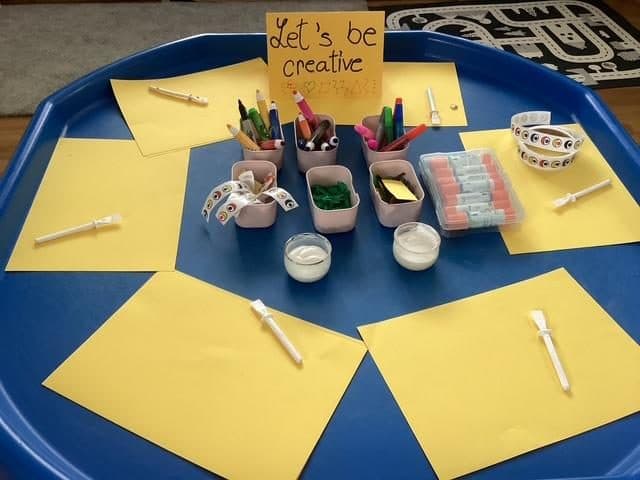
In practice, what a parent would see walking into our Oakleys Preschool Room, whether that is at Higham Hill in Walthamstow, at our Northolt site, or at Stockwell, is a calm, ordered room where children are moving purposefully between activities they have chosen themselves. One child might be tracing sandpaper letters with their fingertips, hearing the sound, seeing the shape and preparing the muscles they will use for writing. Another might be working with a spindle box, placing wooden spindles into compartments in a way that teaches counting through touch and repetition, correcting their own mistakes without needing an adult to point them out. There is a lot of quiet concentration, and we find that children sustain focus for far longer than most people anticipate.
The environment is prepared deliberately. Materials are placed at child height, sequenced so that each builds on the last, and almost all of them are self-correcting, meaning the child can see for themselves whether something has worked. That immediate feedback is central to how Montessori builds confidence.
How does this sit alongside the EYFS?
The EYFS statutory framework sets the standards every registered childcare provider in England must meet for children from birth to five. It covers seven areas of learning: the three prime areas of communication and language, physical development, and personal, social and emotional development, plus four specific areas covering literacy, mathematics, understanding the world, and expressive arts and design.
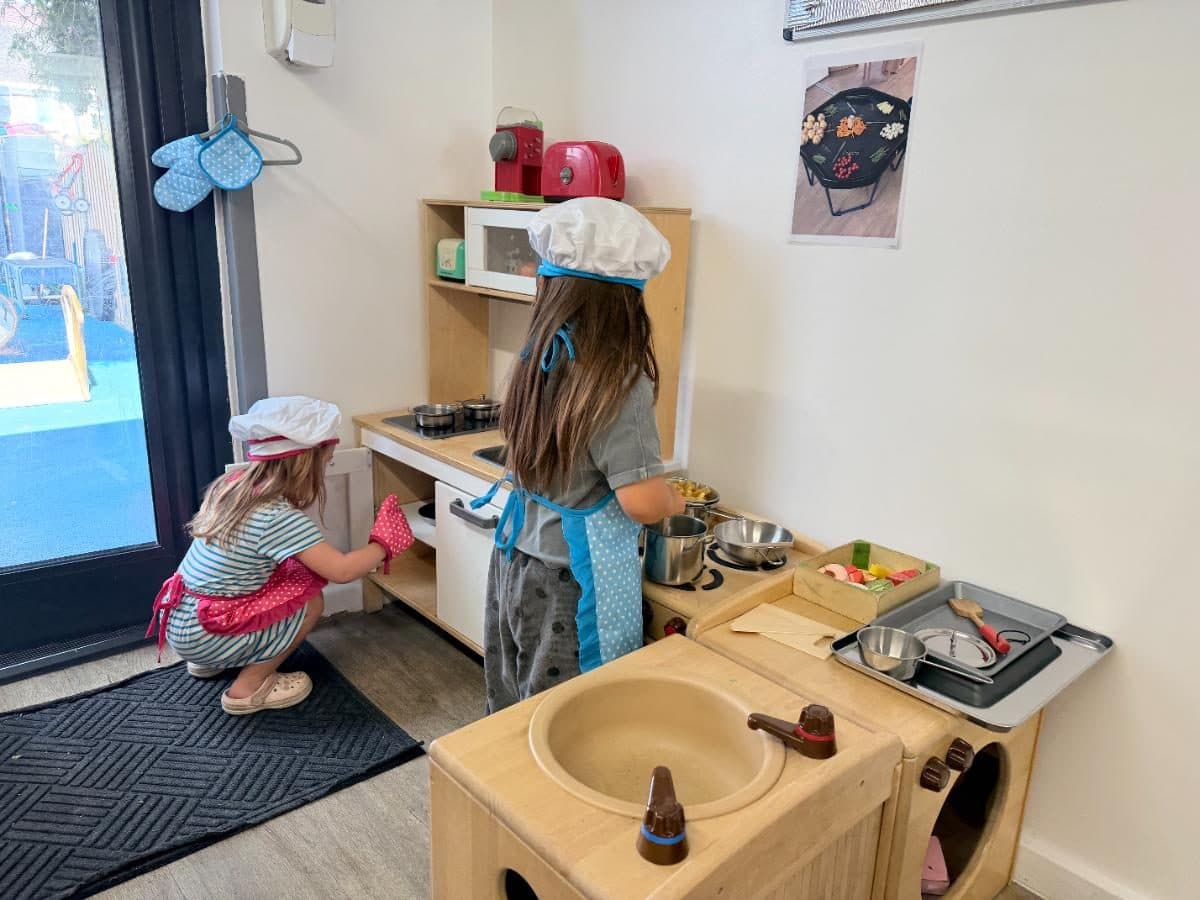
At Unique Child Montessori, we organise our curriculum across six areas: Literacy, Mathematics, Sensorial, Practical Life, Cultural, and Expressive Arts. When I look at those alongside the EYFS areas, the overlap is substantial. Sensorial work, handling materials of different weights, textures and sizes, feeds directly into physical development and early mathematical thinking. Practical Life activities, pouring, threading, caring for plants in our Stockwell allotment, build fine motor skills, independence and concentration. Cultural activities connect to understanding the world. The EYFS prime areas run through everything we do, because you cannot do any of this without language, movement and the personal and social confidence to try.
What Montessori adds is a particular structure: uninterrupted blocks of work time, materials that follow a clear developmental sequence, and the deliberate habit of the adult observing before acting. Each child has a named Key Person who watches, notes what the child is drawn to, and plans their next steps accordingly. We track progress carefully, and families get regular feedback, starting from the settling-in sessions before a child has even properly begun.
What does this look like for different ages?
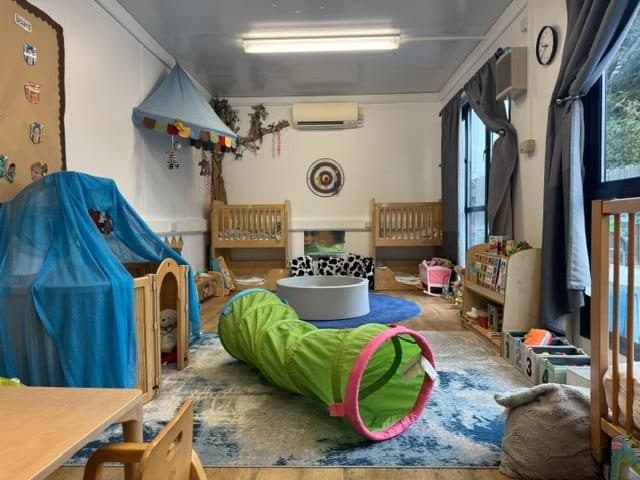
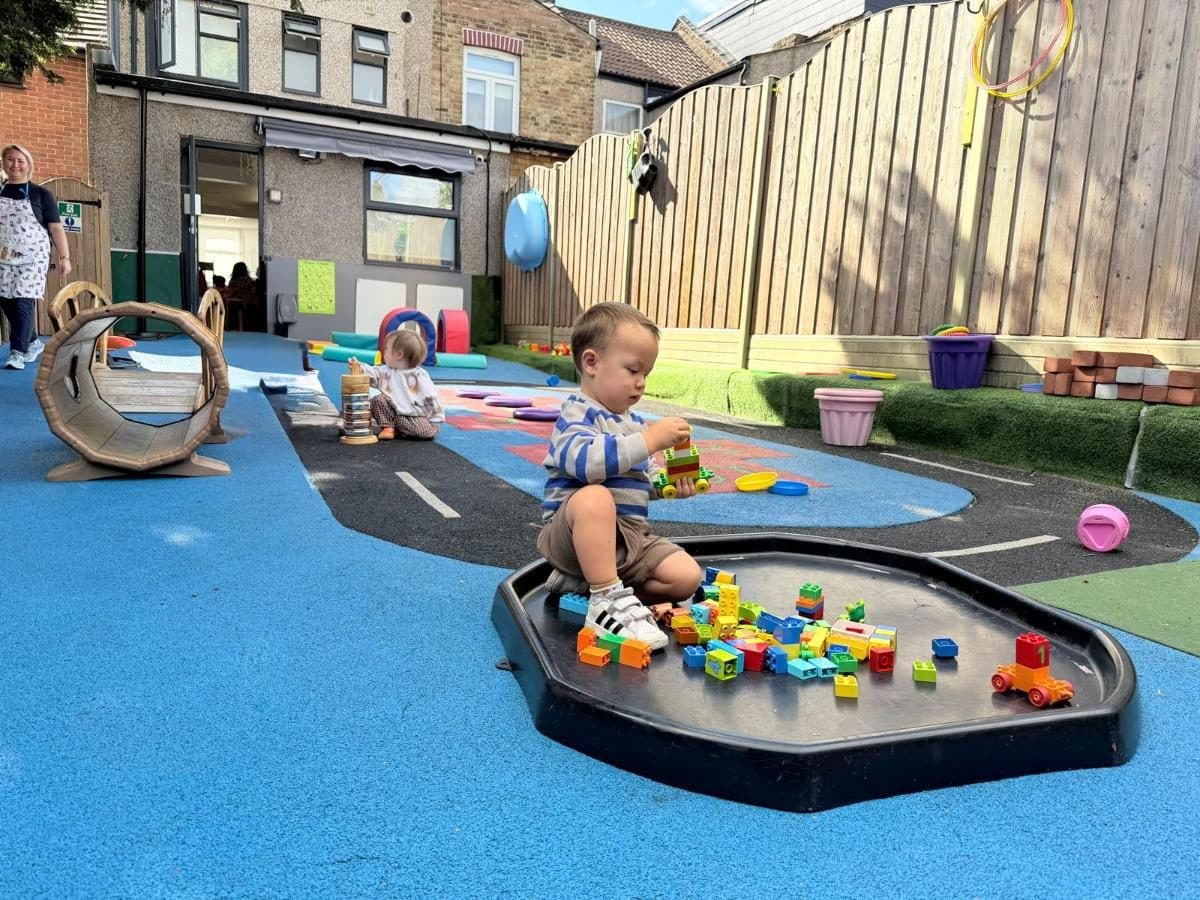
In our Tulips Baby Rooms, Montessori looks less like formal materials and more like a carefully arranged space where even the youngest children, from six months old in our baby rooms at Higham Hill and Stockwell, can move freely, reach things safely, and begin to develop that sense of agency. By the time children move into our Acorns Toddler Rooms at around two, they are starting to work with more structured materials and longer stretches of self-chosen activity. In the Oakleys Preschool Rooms, the full breadth of the curriculum comes together, and we see children who have grown up with this approach manage their own learning with a quiet confidence that is genuinely lovely to watch.
For families across Waltham Forest, Ealing and Lambeth, one practical note worth knowing is that we accept 15 and 30 hours funded childcare. The 15 hours universal entitlement is available for every three and four year old. The 30 hours is available for eligible working families from nine months old. Hours can be taken stretched across our 51-week year or term time only, whichever suits your family better. You can check your eligibility at Childcare Choices, and our fees and funding page has more detail on how it works here.
Why it works
I have worked in early years for a long time, and what I keep coming back to is that children who are trusted to make choices, within clear boundaries and a well-ordered environment, develop a relationship with learning that serves them well beyond the nursery years. The EYFS gives us the framework and the accountability. Montessori gives us the method. Together, they give children something real.
If you would like to see any of this for yourself, I would encourage you to book a show-around. Come and watch the rooms in action, ask us anything, and see whether it feels right for your child.
Come and see us for yourself
Book a relaxed tour of Unique Child Montessori and meet our team.
Book a tourOther guides you might like
Tips for Parents
Free Childcare Funding in Lambeth: How to Get Your Code and Claim Your Spring Term Place Before 31 December
The deadline to claim free childcare funding in Lambeth for a January start is 31 December. Here is a clear, step-by-step guide to applying for your code, giving it to Lambeth, and securing your child's place at Unique Child Montessori Stockwell.
Tips for Parents
Questions to Ask on a Nursery Visit: What to Watch For and Why It Matters
Knowing which questions to ask on a nursery visit can make the difference between a useful tour and one that leaves you with more uncertainty than you started with. Here are the things I'd look for if I were a parent walking into any early years setting for the first time.
Activities
Montessori at Home: Simple Practical-Life Activities for Toddlers
You don't need specialist materials to bring Montessori into your home. Edward, Owner and Director at Unique Child Montessori, shares the everyday practical-life activities that mirror what toddlers do in our nursery rooms.
Frequently asked questions
Does a Montessori approach mean children have no structure or routine?
Not at all. Structure at a Montessori nursery comes from the environment and the rhythm of the day rather than constant adult direction. At Unique Child, children move through a consistent daily routine including circle time, focused activity periods, meals and outdoor play, with uninterrupted blocks of time to work freely within that framework.
Will my child cover everything they need before starting school?
Yes. Our curriculum maps directly onto the EYFS framework, covering all seven areas of learning. By the time children leave our Oakleys Preschool Room, they have built solid foundations in literacy, mathematics, physical development and personal independence, approached through Montessori materials and methods that make the learning tangible and self-directed.
At what age can my child start at Unique Child Montessori?
We welcome children from six months old. Our Tulips Baby Rooms at Higham Hill and Stockwell take children from six months, and our Northolt Tulips Baby Room takes children from six months to two years. Children then move through our Acorns Toddler Rooms and into the Oakleys Preschool Room as they grow. Book a show-around to see the rooms and talk about your child's start date.
Can I use funded hours at Unique Child Montessori?
Yes, we accept both 15 and 30 hours funded childcare. Funded hours can be stretched across our 51-week year or taken term time only. The 30 hours is available for eligible working families from nine months old, subject to income and work conditions. See our fees and funding page or check your eligibility at Childcare Choices.