

Tips for Parents
Questions to Ask on a Nursery Visit: What to Watch For and Why It Matters
Written by Edward, Owner & Director at Unique Child Montessori
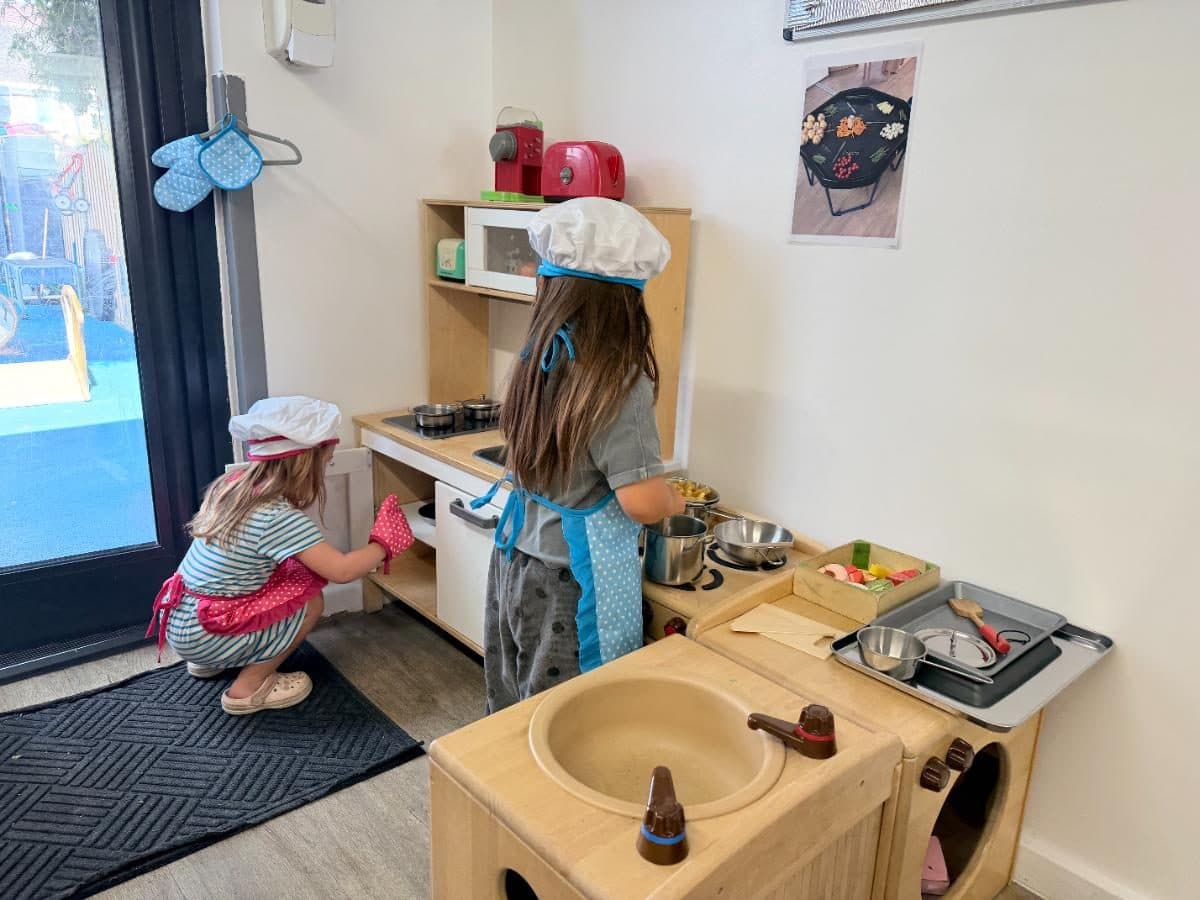
Knowing which questions to ask on a nursery visit can make the difference between a useful tour and one that leaves you feeling uncertain. I've worked in early years for a long time, and I still think there's no substitute for walking into a room and taking it in with fresh eyes. What you notice in those first few minutes, and what you choose to ask afterwards, tells you more than any brochure can.
Here's what I'd focus on if I were a parent doing a show-around, whether you're looking at settings in Waltham Forest, across Ealing, or in Lambeth.
Start With What You Can See Before You Ask Anything
Before you put a single question to the team, look at the room. Are the children settled and absorbed in what they're doing, or is there a low hum of unsettled energy? Can you see adults genuinely engaging with individual children rather than managing the group from a distance? Is the environment tidy enough to feel calm but not so clinical that it feels as though no one has played in it today?
At our Higham Hill, Northolt and Stockwell nurseries, I always encourage families to notice how children move around the room during a visit. In a Montessori environment, children choose their own work from prepared materials and carry it to a space, work through it, then return it. That kind of purposeful independence is something you can observe before anyone says a word.
Questions on Settling In
This is the one area where I see parents feel most nervous, and rightly so. Ask the setting directly: what does your settling-in process look like, and how long does it take?
A good answer should describe something gradual and responsive rather than a fixed number of days with no flexibility. At Unique Child Montessori, we offer a home visit before a child starts, or a video or phone call if that's easier, then three consecutive settling-in sessions. We build up slowly: two shorter visits followed by a slightly longer one, with parents leaving for around twenty minutes on the second session while the Key Person observes how their child is doing. We share feedback after each session and add extra sessions when a child needs more time. That's what a thoughtful process looks like, and it's entirely reasonable to expect something similar wherever you visit.
Questions on the Key Person
Every registered provider in England must meet the EYFS statutory framework, which requires each child to have a named Key Person responsible for their care and learning. So ask: who will be my child's Key Person, and how will they share what's happening day to day?
The answer should feel specific, not vague. You want to know whether that person will be in the room consistently, how they record observations, and how they feed back to you. Ask whether they plan next steps for each child individually. If the team seem unsure who would hold that role for your child, or if the answer feels like a policy statement rather than a description of what actually happens, that's worth noting.
Questions on the Daily Routine and Food
Ask to see a typical day. Not a schedule printed on a laminate, but a real conversation about what a child's day feels and sounds like at different times.
Ask about food specifically. What is served, how is it prepared, and how do mealtimes feel? Are children rushed, or is eating treated as part of the day rather than an interruption to it? At our nurseries, meals are warm and seasonal throughout the day, from breakfast at 8.15 through to tea at 4.00pm, with fresh fruit, vegetables and snacks mid-morning. Children sit together, and mealtimes are unhurried. If you have questions about how a setting handles allergies or specific dietary requirements, including halal or vegetarian food, ask the team directly during your visit. That's a conversation worth having face to face.
Questions on Outdoor Time
Ask how often children go outside and what they do there. The answer shouldn't be "when the weather allows." Regular outdoor time, whatever the season, is part of a well-rounded early years programme.
A Subheading Worth Its Own Space: Questions to Ask About Funding
If you're thinking about funded hours, ask how the setting applies them. Every three and four year old is entitled to 15 hours per week with no conditions attached. Eligible working families can also access up to 30 hours per week, and since September 2025 that extended entitlement is available from nine months old. Income and work thresholds apply for the 30 hours, and the easiest way to check your eligibility is through Childcare Choices. Ask the nursery whether funded hours can be taken stretched across the year or term time only, and whether there are additional charges on top. At Unique Child Montessori you can take funded hours either way, and our fees and funding page sets out how sessions and charges work.
You can also check any setting's latest Ofsted report at reports.ofsted.gov.uk before or after your visit.
Come and See for Yourself
A visit answers questions that no website can. If you're looking at nurseries in Waltham Forest, Ealing or Lambeth, I'd encourage you to book a show-around at Unique Child Montessori and bring your list of questions with you. The team at Higham Hill, Northolt and Stockwell are used to curious, thorough parents, and that's exactly what we'd hope to meet.
Come and see us for yourself
Book a relaxed tour of Unique Child Montessori and meet our team.
Book a tourOther guides you might like
Activities
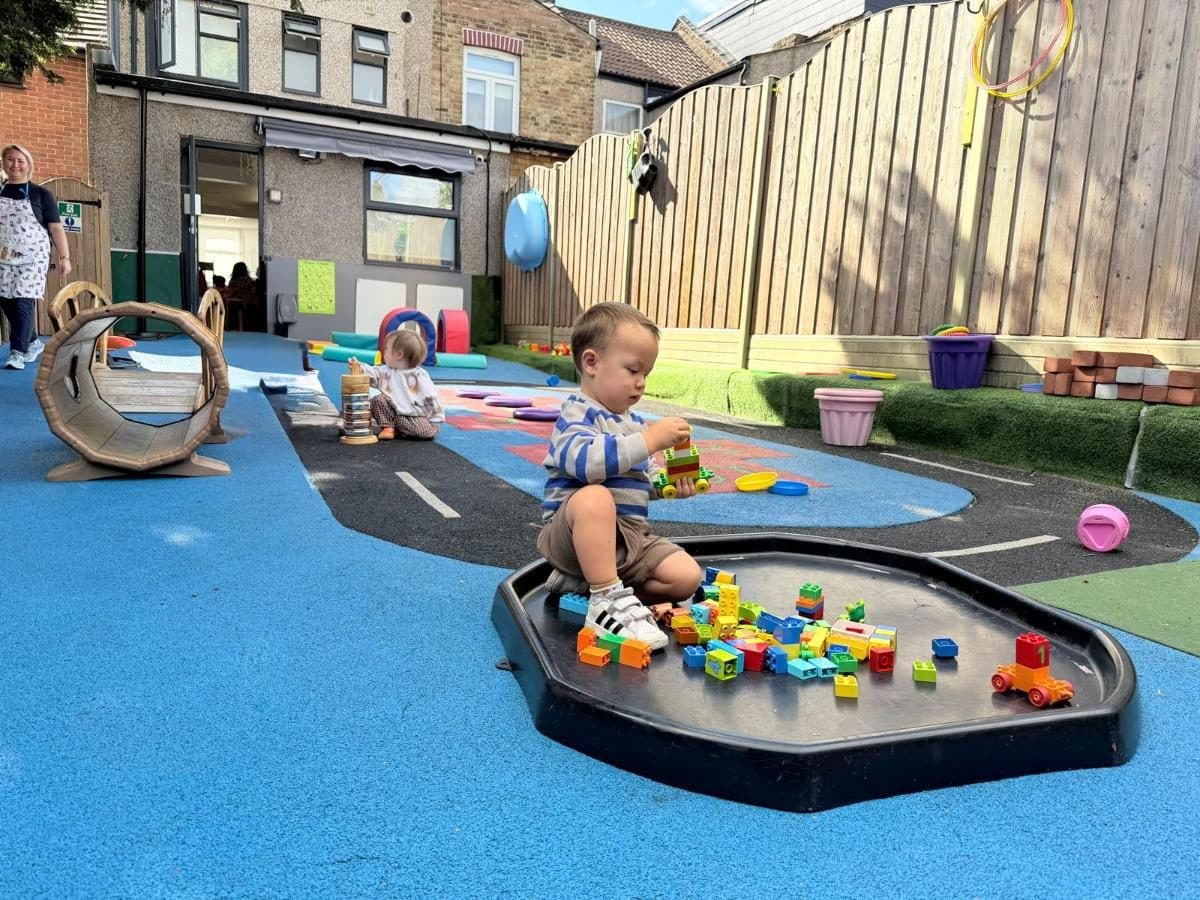
Montessori at Home: Simple Practical-Life Activities for Toddlers
You don't need specialist materials to bring Montessori into your home. Edward, Owner and Director at Unique Child Montessori, shares the everyday practical-life activities that mirror what toddlers do in our nursery rooms.
Activities
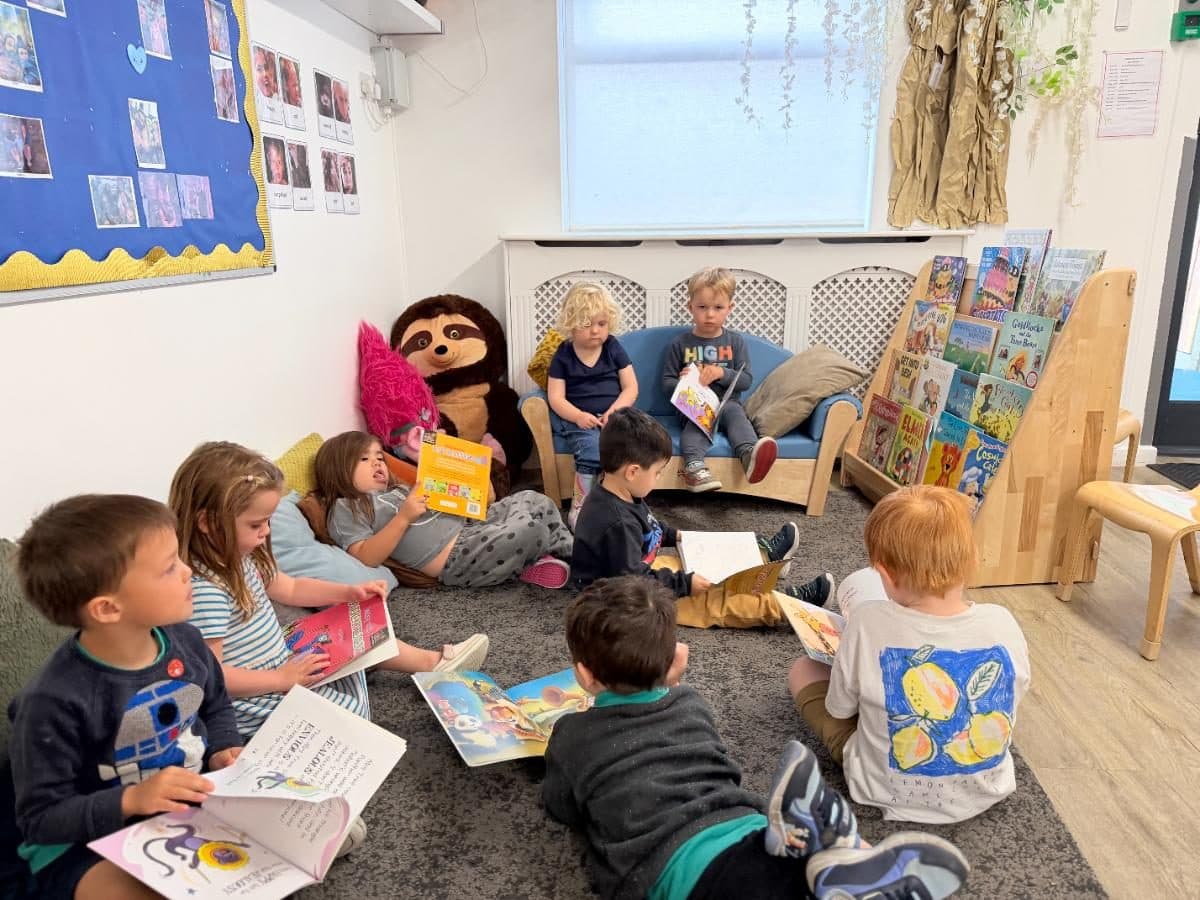
Stories and Rhymes, Best Start Family Hubs and Playgrounds Near Higham Hill: a Weekday Guide for Under-5s in E17
A practical Monday-to-Friday round-up of free and low-cost sessions for babies and toddlers near Higham Hill E17, covering library Stories and Rhymes, Best Start Family Hubs, Child Health Clinics and local parks. Always check times before you go.
Child Development
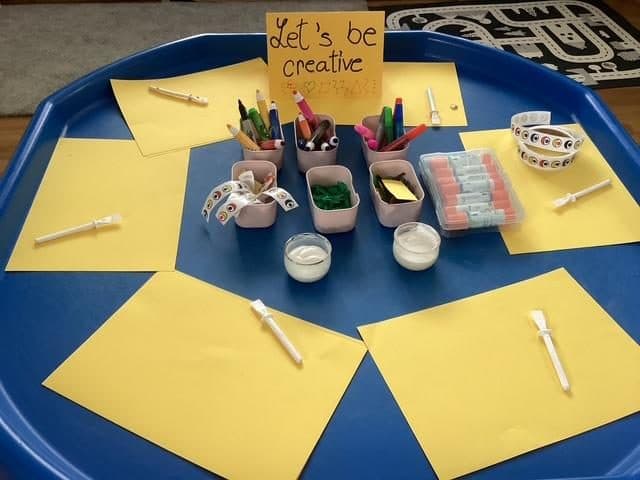
What Is a Montessori Nursery, and How Does It Work Alongside the EYFS?
Montessori and the EYFS framework work hand in hand at Unique Child Montessori. Here Edward, our Owner and Director, explains what that looks like in practice, day to day, for children from six months to five years.
Frequently asked questions
What are the most important questions to ask on a nursery visit?
Focus on settling-in procedures, how the Key Person relationship works in practice, what children eat and how mealtimes are handled, how much time is spent outdoors, and how funded hours are applied. These questions tend to reveal more about daily life than general questions about the curriculum. Book a show-around to ask them in person.
How do I check whether a nursery has a good Ofsted rating?
You can look up any registered setting's latest inspection report on the Ofsted reports register at reports.ofsted.gov.uk. Every provider in England must be registered and inspected, so the report is a useful starting point. Reading it alongside a visit gives you the fullest picture of a setting.
How does settling in work at Unique Child Montessori?
We offer a home visit before your child starts, or a video or phone call if you prefer. Then three consecutive settling-in sessions, starting with two two-hour visits and building to a slightly longer one. We share feedback with parents after each session and offer extra sessions if a child needs more time to feel comfortable. Book a show-around to talk it through.
Can I use funded childcare hours at Unique Child Montessori?
Yes, we accept both 15 and 30 hours funded entitlements. Funded hours can be taken stretched evenly across our 51-week year or on a term-time-only basis. For details on sessions and any additional charges, visit our fees and funding page, or check your eligibility at childcarechoices.gov.uk.