

Child Development
The 2-Year Progress Check at Nursery: What It Is, What We Write, and What Happens Next
Written by Edward, Owner & Director at Unique Child Montessori
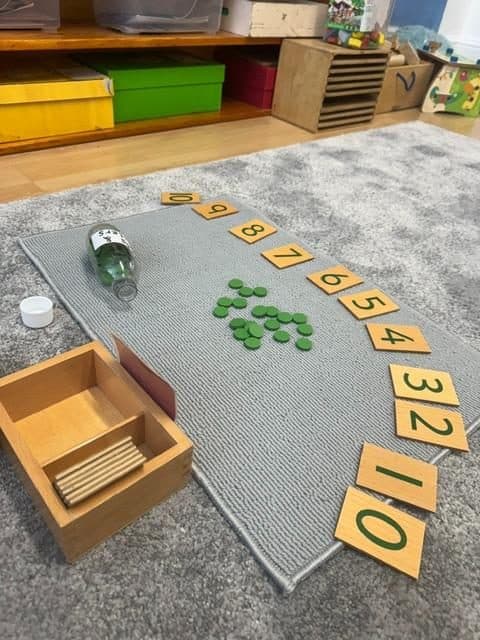
When a progress check form arrives, the first question most parents ask me is: is this a test? The short answer is no. The 2-year progress check nursery settings are required to carry out is a short written summary of how your child is developing, not an exam, and not a judgement on you as a parent. I want to walk through exactly what it covers, how we approach it here, and what you can expect to happen once it is done.
What the progress check actually is
Under the EYFS statutory framework, every early years provider must complete a written progress summary for any child aged between two and three who attends their setting. The summary focuses on three prime areas of learning: communication and language, personal, social and emotional development, and physical development. These are the foundations on which everything else builds.
The written summary must do four things. It must highlight areas where your child is progressing well. It must highlight areas where some additional support might be helpful. It must describe what the setting will do to address any concerns. And where there are particular worries about a child's development, it must note those clearly, because early identification is the whole point. The aim, as guidance from the DfE puts it, is to enable earlier identification of developmental needs so that additional support can be put in place before any gap widens.
There is no single national format for the check. Councils and settings use different templates, and that is entirely permitted. What matters is that the content is meaningful, not that there are pages of tracking data.
How we complete it at Unique Child Montessori
At our nurseries in Higham Hill, Northolt and Stockwell, children approaching their second birthday will typically be settled in the Acorns Toddler Room, moving through from Tulips as they grow. The check is completed by your child's Key Person, the named practitioner who has been observing your child from their earliest weeks with us.
What I want parents to understand is that in a Montessori setting, the Key Person is already doing the work that feeds the progress check every single day. Our directresses observe children during their uninterrupted work cycles, noting how a child approaches a practical life activity, whether they are communicating their needs and interests, how they move and handle materials, and how they are managing their relationships with other children and adults. That evidence builds up naturally over weeks of observation. We are not sitting your child down with a worksheet on the day we write the summary. The DfE's own guidance is clear that practitioners do not need to spend a long time away from the children to complete the check, and in our experience that is right: the picture is already there.
Before we write anything, your child's Key Person will speak with you. Your observations at home matter. You see things we do not: how your child communicates at mealtimes, how they play with siblings, what they do when they are uncertain or excited. That conversation is part of the assessment, not a courtesy call afterwards.
Once the summary is written, you receive a copy. We keep one at the setting. The check covers strengths clearly, any areas where we feel your child would benefit from a little more support, and the specific steps we will take in the nursery to build on both.
How it connects with the health visitor review
The progress check sits alongside, and is designed to inform, the NHS health and development review that your health visiting service carries out when your child is between two and two-and-a-half years old. These are two separate reviews from two different services, but they are looking at the same child at roughly the same point in their development, which is why it makes sense to connect them.
For families at our Higham Hill nursery in Waltham Forest, the health visiting service uses a questionnaire called the Ages and Stages (ASQ) at the two to two-and-a-half year review. The Waltham Forest Health Visiting service can be reached on 0300 033 6200. For families attending our Stockwell nursery in Lambeth, the health visiting service is delivered by Evelina London, who can be reached on 020 3049 5300. For families at our Northolt nursery in Ealing, the health visiting team will be in touch around the same stage, and your GP surgery can help you locate your health visitor if you have not already heard from them.
We generally aim to complete the progress check before your child's health visitor appointment so you can take a copy to share with the health visiting team. You can keep this copy in your child's personal health record, the red book. The two reviews can then build on each other rather than happening in isolation.
Where parents give consent, and where there are areas we want to flag together, we may also speak directly with the health visiting team. That kind of joined-up conversation is always in your child's interest, and we will always talk with you before doing so.
A note on timing and what comes next
The check must happen while your child is aged between two and three. In practice, we try to complete it when the Key Person has had enough time to know the child well, which is one reason our settling-in process matters: a Key Person who has observed your child across different parts of the day, at snack time, in the garden, during focused activity, will write a much richer summary than one completed after a fortnight.
If any area needs follow-up, we do not leave it sitting in a file. Next steps become part of your child's ongoing planning, and we talk through them with you at the time. For families who want to understand more about how the Montessori approach shapes what we observe and how we plan, our guide on what a Montessori nursery is and how it works alongside the EYFS covers that in more detail.
If you have questions about the progress check, or you would like to see how we work with children in the Acorns room before your child reaches that point, I would encourage you to book a show-around at whichever of our sites is nearest to you. It is always easier to understand the process when you have seen the environment and met the team in person.
Come and see us for yourself
Book a relaxed tour of Unique Child Montessori and meet our team.
Book a tourOther guides you might like
Child Development
What Is a Montessori Nursery, and How Does It Work Alongside the EYFS?
Montessori and the EYFS framework work hand in hand at Unique Child Montessori. Here Edward, our Owner and Director, explains what that looks like in practice, day to day, for children from six months to five years.
Tips for Parents
Free Childcare Funding in Lambeth: How to Get Your Code and Claim Your Spring Term Place Before 31 December
The deadline to claim free childcare funding in Lambeth for a January start is 31 December. Here is a clear, step-by-step guide to applying for your code, giving it to Lambeth, and securing your child's place at Unique Child Montessori Stockwell.
Tips for Parents
Questions to Ask on a Nursery Visit: What to Watch For and Why It Matters
Knowing which questions to ask on a nursery visit can make the difference between a useful tour and one that leaves you with more uncertainty than you started with. Here are the things I'd look for if I were a parent walking into any early years setting for the first time.
Frequently asked questions
What are the three areas covered by the 2-year progress check?
The check covers the three prime areas of the EYFS: communication and language, personal, social and emotional development, and physical development. These are the foundations of early learning, and the written summary must note strengths, areas needing support, and what the setting will do to help.
Does the progress check happen at the same time as the health visitor review?
They are two separate reviews, but they are designed to complement each other. We try to complete the nursery progress check first so you can share a copy with your health visitor at the two to two-and-a-half year appointment. In Waltham Forest, the health visiting number is 0300 033 6200; in Lambeth, Evelina London can be reached on 020 3049 5300.
How does the Key Person at Unique Child Montessori gather evidence for the check?
Your child's Key Person observes them throughout their normal day in our Montessori environment, during work cycles, outdoor play and group time. There is no test or task. The Key Person also speaks with you before writing the summary, because what you see at home is an important part of the picture. Book a show-around to meet the team.
Can I use funded hours to cover my child's place when they have their progress check?
The progress check is part of normal nursery life and happens within your child's regular sessions. If you want to understand how funded hours work at our Higham Hill, Northolt or Stockwell nurseries, our fees and funding page has the details, including how we stretch hours across our 51-week year.